

logo pink lime

logo pink lime

  • Monday

    9AM - 7PM

  • Tuesday

    9AM - 7PM

  • Wednesday

    9AM - 7PM

  • Thursday

    9AM - 8PM

  • Friday

    9AM - 8PM

  • Saturday

    9AM - 6PM

  • Sunday

    11AM - 5PM

A Practical Vancouver Scalp-Care Guide

Dry Scalp, Dandruff or Product Buildup: How Can You Tell the Difference?

Learn how common signs differ, what may contribute to flakes or discomfort, and when salon care or medical guidance may be appropriate.

Similar Symptoms, Different Concerns

Start With the Scalp, Not the Flakes

Dry scalp, dandruff and product buildup can all cause flakes, itching or an uncomfortable scalp, but they are not the same problem. A dry scalp usually lacks moisture. Dandruff is commonly linked with excess shedding and may be associated with seborrheic dermatitis. Product buildup happens when oils, styling products, dry shampoo, minerals or cleansing residue collect on the scalp and hair.

Because the symptoms overlap, appearance alone may not provide a clear answer. A professional scalp consultation can identify visible buildup and review your hair-care routine, while persistent redness, pain, sores or unexplained hair loss should be assessed by a doctor or dermatologist.

At-a-Glance Guide

Quick Comparison: Dry Scalp vs Dandruff vs Product Buildup

Scalp concern Common signs Possible contributing factors Helpful next step
Dry scalp Small, dry-looking flakes; tightness; mild itching Dry weather, hot water, harsh products or reduced scalp moisture Review cleansing products and add gentle moisture
Dandruff White or yellowish flakes; recurring itch; oily or irritated areas Seborrheic dermatitis, oil, yeast activity or seasonal changes Ask a pharmacist, doctor or dermatologist about suitable care
Product buildup Waxy or sticky residue; dull roots; hair that feels coated or heavy Dry shampoo, oils, gels, hairspray, conditioners or incomplete cleansing Use an appropriate cleansing routine or professional scalp service

This table is a starting point, not a diagnosis. More than one concern can be present at the same time.

Understanding the Differences

What Each Scalp Concern May Look Like

What Is a Dry Scalp?

A dry scalp develops when the skin on the scalp does not retain enough moisture. It may feel tight, itchy or uncomfortable, especially after shampooing or during colder months.

  • Small, dry-looking flakes
  • Tightness after washing
  • Mild itching without heavy residue
  • Dryness elsewhere on the skin
  • Hair that also feels dry or rough
  • Symptoms that worsen in cold or low-humidity weather

What Is Dandruff?

Dandruff causes visible skin flakes that may be white, off-white or yellowish. The scalp may feel itchy, and some people notice oily or irritated areas.

  • Recurring flakes after regular washing
  • White-to-yellowish scale
  • An itchy scalp
  • Oily areas around the roots
  • Flaking near the hairline, eyebrows or sides of the nose
  • Symptoms that improve and return

What Is Product Buildup?

Product buildup occurs when hair and scalp products are not fully removed. Sebum, dead skin cells, sweat, pollutants and minerals from water can become part of the residue.

  • Dry shampoo
  • Hairspray, styling gel or mousse
  • Leave-in conditioner near the roots
  • Hair oils and serums
  • Silicone-rich styling products
  • Heavy masks, incomplete rinsing or insufficient cleansing
Dryness and Cleansing Balance

What Can Contribute to a Dry Scalp?

Hot water, frequent washing with harsh cleansers, strong fragrances and unsuitable styling products may contribute to dryness. Vancouver’s cooler seasons, indoor heating and frequent changes between rain and heated indoor spaces can also affect how the scalp feels.

A dry scalp does not necessarily mean a person should stop shampooing. Infrequent or ineffective cleansing can allow oil and products to collect, creating a separate buildup problem. The goal is to use a cleansing schedule and product selection that fit the person’s scalp, hair texture and styling habits.

Clients looking beyond scalp cleansing can also explore a professional hair treatment for the lengths and ends.

Hair and scalp care products that may affect dryness or product buildup
Medical Care Boundary

Dandruff and Seborrheic Dermatitis

The American Academy of Dermatology explains that dandruff and dry scalp can look similar. It also notes that dandruff is commonly associated with seborrheic dermatitis.

HealthLink BC describes dandruff as the mildest and most common scalp form of seborrheic dermatitis. This condition can produce greasy, flaky patches and may require antifungal shampoos or other treatment recommended by a healthcare professional.

A Salon Cannot Diagnose a Medical Scalp Condition

A salon can observe the scalp and discuss cleansing habits, but it cannot diagnose seborrheic dermatitis, psoriasis, eczema or an infection. A dermatologist should assess ongoing, severe or unexplained symptoms. Clients who want to understand the role of a hair-and-scalp specialist can read about what a trichologist does.

Recognizing Residue

Signs of Product Buildup on the Scalp

The American Academy of Dermatology notes that regular shampoo and water remove dead skin cells, oil, microorganisms and accumulated dry shampoo.

How the Roots Feel

  • Waxy, tacky or coated roots
  • Hair that becomes oily shortly after washing
  • Shampoo that does not lather as expected
  • Discomfort after several days of dry-shampoo use

How the Hair Looks

  • Flakes attached to oily areas
  • Reduced volume at the roots
  • Dull or heavy-looking hair
  • Small particles from styling products

Other Clues

  • A scalp odour that returns quickly
  • Frequent layering of styling products
  • Residue after incomplete rinsing
  • Improvement after effective cleansing

Unlike a medical scalp condition, buildup may improve when the cleansing routine is corrected. However, buildup and dandruff can exist together, so improvement may not always be immediate.

Review What Changed

How Can You Tell Which Scalp Concern You Have?

When did the flakes begin?

Sudden symptoms after introducing a new styling product may suggest residue or irritation.

Does the scalp feel dry, oily or coated?

Tightness may point toward dryness, while waxy roots may suggest buildup.

How frequently do you use dry shampoo?

Regular dry-shampoo use without wet washing may leave residue.

Are flakes dry or greasy?

Dry flakes may accompany dryness, while oily scale can occur with dandruff or seborrheic dermatitis.

Is there redness, tenderness or a rash?

These signs should be taken more seriously than simple residue.

Does cleansing improve the problem?

Buildup often feels better after effective cleansing, although harsh cleansing may worsen dryness.

Are symptoms appearing beyond the scalp?

Flaking around the eyebrows, ears or nose may require medical assessment.

Professional Cosmetic Scalp Care

Can a Salon Scalp Treatment Help?

A professional scalp treatment may help remove visible product residue, excess oil and surface debris. It can also make it easier to understand which products may be contributing to the problem.

  • A visual scalp and hair assessment
  • Questions about washing frequency and product use
  • Scalp cleansing and an appropriate exfoliating or scrub service
  • Gentle scalp massage and thorough rinsing
  • Hair treatment selected for the lengths and ends
  • Product and maintenance recommendations

Pink Lime’s scalp service is intended for cosmetic cleansing, oiliness, dryness and visible buildup. It is not a treatment for psoriasis, infection, unexplained hair loss or another medical condition.

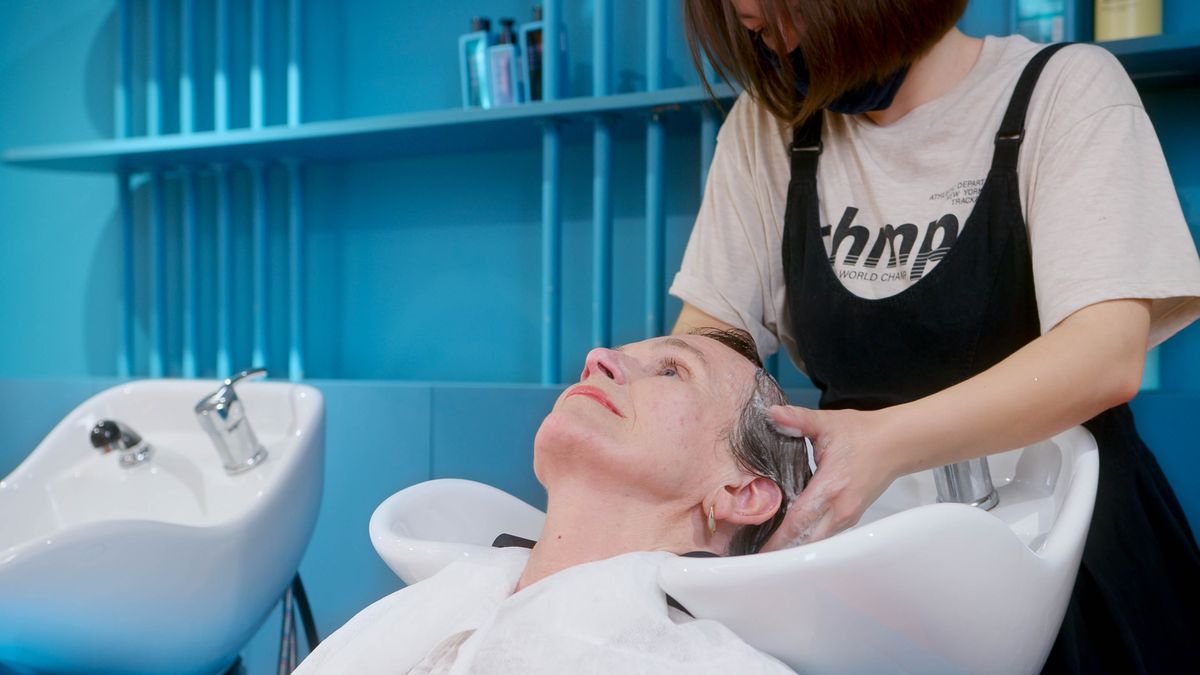
Professional scalp cleansing treatment at a salon basin in Vancouver
Gentle Care Matters

What Should You Avoid When Your Scalp Is Flaky?

Avoid reacting to every flake with aggressive scrubbing. Excessive friction may make an irritated scalp feel worse.

Avoid Physical Irritation

  • Scratching the scalp with fingernails
  • Trying to remove flakes with sharp combs or tools
  • Washing with water that is uncomfortably hot

Avoid Product Overload

  • Applying undiluted essential oils
  • Using several new scalp products at once
  • Applying heavy conditioner directly to the roots
  • Layering dry shampoo for many consecutive days

Avoid Assumptions

  • Assuming every flaky scalp is dandruff
  • Changing several routine steps at once
  • Ignoring ongoing irritation or visible sores

Introduce changes one at a time. This makes it easier to identify what helps and what causes irritation. For more cleansing information, read the scalp massage and cleansing guide.

Know When Salon Care Is Not Enough

When Should You See a Dermatologist?

Ask a healthcare professional for guidance if you have:

  • Severe or persistent itching
  • Thick scale or a widespread rash
  • Bleeding, sores, swelling or pain
  • Circular flaky areas
  • Sudden or patchy hair loss
  • Pus, crusting or signs of infection
  • Symptoms that do not improve
  • A reaction after using a product
  • A known history of psoriasis, eczema or skin allergies

The Appropriate Care Depends on the Cause

The appropriate treatment depends on the underlying cause. Salon cleansing can support general scalp care but does not replace medical diagnosis.

Salon and spa services should always stay within their cosmetic scope and refer clients for medical care when symptoms require it.

Keep the Routine Easy to Evaluate

A Practical Scalp-Care Routine

A simple routine is often easier to evaluate than a complicated one.

01

Cleanse for Your Hair Type

Fine or oily hair may require more frequent cleansing than curly, coily or very dry hair. There is no single schedule that works for everyone.

02

Rinse Thoroughly

Work shampoo into the scalp and rinse until the water runs clear and the roots no longer feel slippery.

03

Condition the Hair

Unless designed for scalp use, apply conditioner and masks mainly to the mid-lengths and ends.

04

Use Dry Shampoo Temporarily

Dry shampoo absorbs oil but does not replace washing with shampoo and water.

05

Review Styling Products

If the roots feel coated, reduce the number or amount of products applied close to the scalp.

06

Book Cleansing as Needed

A salon scalp treatment can provide a deeper cosmetic cleanse and personalized product guidance.

Real-World Salon Example

A Consultation-Led Approach

A client may arrive with flakes and assume they have dandruff. During the consultation, the stylist learns that the client has used dry shampoo daily, applies leave-in conditioner near the roots and washes once per week. The scalp appears coated, but there is no visible rash.

In this situation, the first step may be removing surface buildup and simplifying the routine. If the client instead has recurring greasy scale, marked redness or persistent irritation, the stylist should recommend medical advice rather than claiming a salon treatment can resolve it.

This consultation-led approach protects the client and prevents unnecessary treatments.

Common Scalp-Care Questions

Frequently Asked Questions

Can product buildup look like dandruff?

Yes. Dried styling products, oil and skin cells may create visible flakes. Buildup often also makes the roots feel waxy, dull or heavy.

Is dandruff caused by poor hygiene?

Not necessarily. Dandruff can occur even when someone washes regularly. It may be associated with seborrheic dermatitis and other factors.

Can dry shampoo cause scalp buildup?

Yes. Dry shampoo can collect on the hair and scalp when it is repeatedly applied without washing with regular shampoo and water.

Will a scalp treatment cure dandruff?

A salon scalp treatment may remove surface residue and support cosmetic scalp care, but it does not cure medical causes of dandruff.

How often should I book a scalp treatment?

There is no universal schedule. Frequency depends on oil production, product use, hair texture and the service recommended after consultation.

Should I use oil on a dry scalp?

Not automatically. Oil may feel soothing for some people but can worsen residue for others. Ask a qualified professional before adding a heavy scalp oil.

Scalp Care in Yaletown

Discuss Your Scalp-Care Routine With Pink Lime

Pink Lime Salon and Spa in Yaletown offers consultation-led cosmetic scalp care for visible residue, oiliness, dryness and product buildup.